How We Operated As NADECO During Military Regime—Segun Osoba
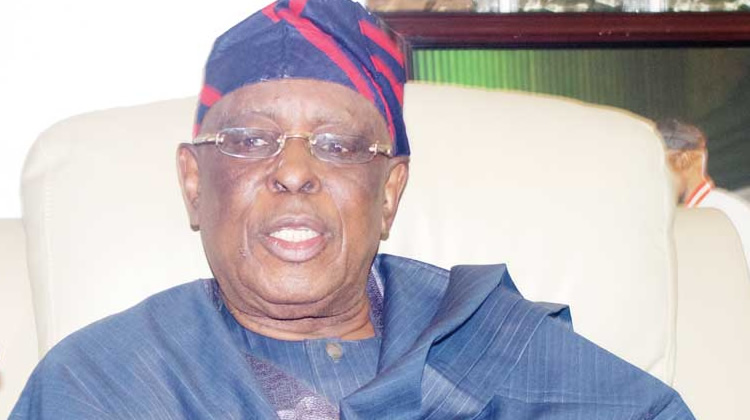
OpenLife Nigeria reports that after over two decades, former Ogun State Governor, Olusegun Osoba, has offered rare insights into the activities of a pro-democracy group, National Democratic Coalition, NADECO.
According to the All Progressives Congress, APC chieftain, NADECO was not originally established to pursue the actualization of the annulled June 12, 1993 presidential election mandate, but was founded with the goal of restoring democracy to Nigeria.
Osoba made the remarks this week at the NADECO awards ceremony and the launch of a book on the organization’s history, authored by the group’s former General Secretary Ayo Opadokun.

He revealed that late business mogul and winner of the June 12, 1993 presidential election, MKO Abiola was not among the founding members of the coalition.
According to Osoba, it was only after Abiola returned from South Africa where he had attended the inauguration of Nelson Mandela that he was introduced to the group and subsequently joined its ranks.
“He was asked whether he was ready to join in the fight for the restoration of democracy, and it was then that he joined NADECO. People later turned it into a struggle solely for the restoration of June 12,” Osoba said.
Osoba, who described himself as the youngest signatory of the founding NADECO document, said the coalition had a national structure with 59 founding members drawn from across Nigeria.
He spoke about the dangers he faced during the struggle, revealing that he had been marked for assassination by a military operative identified as Sergeant Rogers, a matter, he said, that was later documented in court proceedings.
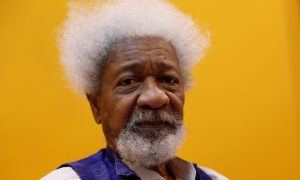
Osoba also paid tribute to Nobel Laureate, Professor Wole Soyinka, who he said regularly visited his wife during that period to conduct BBC interviews and offer moral support.
About Author