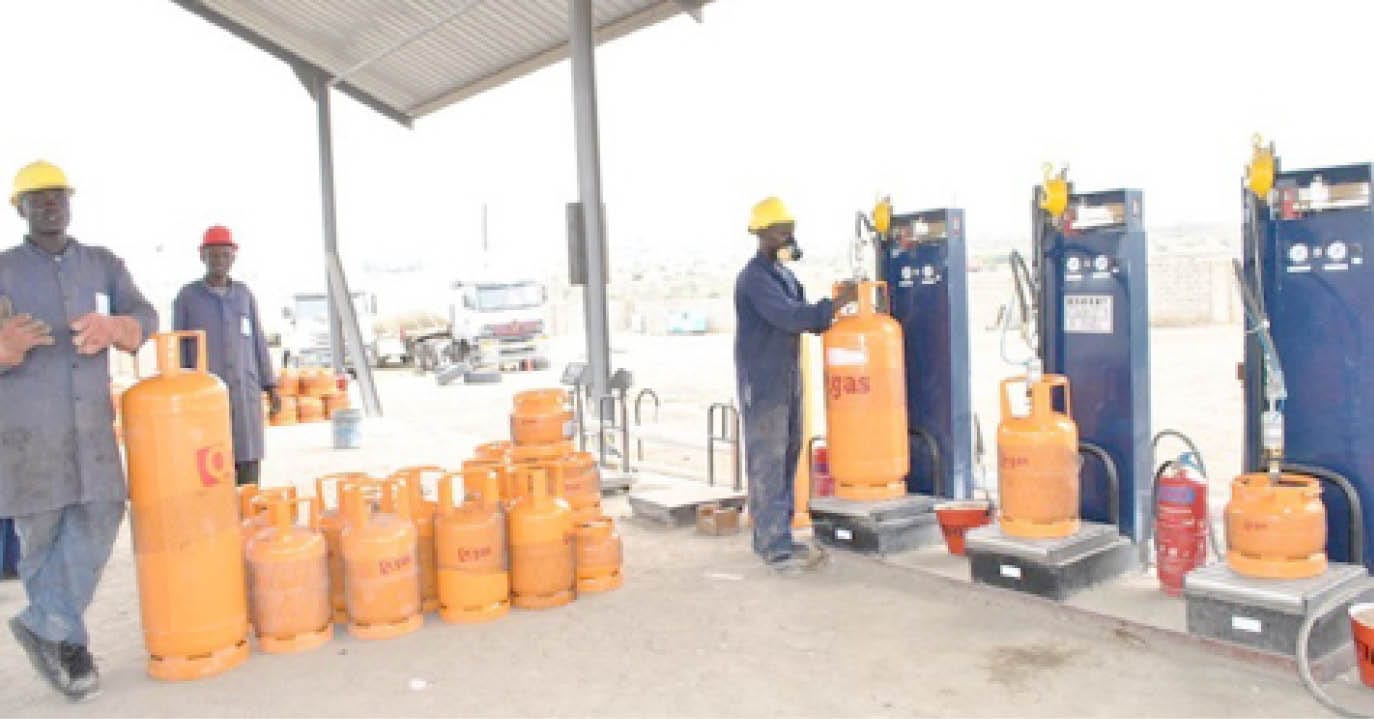
Nigerian Households Groan Over Unaffordable Cooking Gas Cost
OpenLife Nigeria reports that Nigerian households are groaning under the weight of soaring cooking gas prices as the cost of Liquefied Petroleum Gas (LPG) continues to climb across major cities, forcing many households to reconsider their energy choices amid worsening economic hardship.
Recent market checks indicated that cooking gas now sells for between N1,800 and N2,000 per kilogram in several parts of the country, including Lagos, Ibadan, Abeokuta, Ilorin and Port Harcourt.
At these rates, a standard 12.5-kilogram cylinder costs between N22,500 and N25,000 to refill, placing a heavy burden on millions of households already struggling with the worsening cost of living crisis.
The development comes at a particularly difficult time as families celebrated the Eid-el-Kabir celebrations, a period associated with increased cooking activities and household spending.
Many consumers expressed frustration over the persistent increase in the price of the product, describing it as a major setback to the country’s clean energy transition agenda.
They argue that the rising cost of cooking gas is making it increasingly difficult for ordinary Nigerians to maintain the use of LPG, which government and private sector stakeholders have long promoted as a safer and cleaner alternative to firewood, charcoal and kerosene.
A gas retailer in Lagos, Thomas Adibe said supply shortages have compounded the problem, leading to panic buying and further increases in prices.
According to him, many gas stations have struggled to secure adequate supplies in recent days despite efforts to restock.
The situation has left consumers with limited options and exposed them to higher costs.
Consumers across the country say the continuous increase in cooking gas prices reflects the broader economic difficulties confronting Nigerians.
For many low-income families, refilling a cooking gas cylinder has become an expensive undertaking that consumes a significant portion of monthly income.
Mrs. Idiat Adetayo, a trader in Lagos, described the current situation as alarming, noting that many households are being forced to cut down on gas usage because they can no longer afford regular refills.
She said the rapid increase in prices has left families with difficult choices between spending on food, transportation and cooking fuel.
Similarly, Mr. Basiru Balogun, a printer, lamented that the high cost of energy has made life increasingly difficult for both households and businesses.
According to him, rising energy costs are reducing profitability for small enterprises while also increasing living expenses for ordinary citizens.
A civil servant in Ilorin, Mrs. Abdul Adebayo said she was shocked when she wanted to refill her 12.5 kg cylinder and the N20,000 wasn’t enough.
“The last time I went to refill the cylinder, I spent N17,000 but on Sallah Day I wanted to refill the same cylinder, I was told it is N22,000. I couldn’t refill the whole 12.5 kg. I had to buy what the N20,000 I was holding could buy. It is really unfortunate,” she said.
The Nigerian Association of Liquefied Petroleum Gas Marketers (NALPGAM) had warned that continued increases in cooking gas prices could trigger widespread public dissatisfaction if urgent interventions are not implemented.
The association noted that marketers are contending with high depot prices, supply shortages, logistics challenges and increasing operational costs. It disclosed that marketers now pay between N25.2 million and N26.2 million for 20 metric tonnes of LPG depending on location, significantly increasing the cost of supplying consumers.
NALPGAM said the rising cost of LPG has inflicted severe hardship on households, food vendors and small businesses that depend on cooking gas for daily operations. The group warned that many families may be forced to return to the use of firewood and charcoal if prices continue to rise beyond their reach.
According to the association, such a trend would undermine years of efforts aimed at promoting clean cooking energy across the country. It stressed that government campaigns encouraging the adoption of LPG are at risk as affordability continues to decline.
The National President of the Petroleum Products Retail Outlets Owners Association of Nigeria (PETROAN), Dr. Billy Gillis-Harry, attributed recurring scarcity and rising prices partly to inadequate competition within the sector.
He urged government authorities to liberalise the market and create opportunities for more operators to participate in the LPG business.
Economic analyst and Chief Executive Officer of the Centre for the Promotion of Private Enterprise, Dr. Muda Yusuf, said affordable cooking gas is critical to Nigeria’s industrialisation and economic development.
He argued that government should consider measures that would make LPG more accessible to consumers and support wider adoption of clean energy.
Source: Daily Trust
About Author