NCC To Leverage DBI’s ITU Digital Transformation Centre Status
OpenLife News reports that the Nigerian Communications Commission (NCC) has pledged to leverage the Digital Bridge Institute’s (DBI) recent designation as an International Telecommunication Union (ITU) Digital Transformation Centre (DTC) to accelerate digital literacy, deepen inclusion and equip Nigerians with skills to thrive in the digital economy.
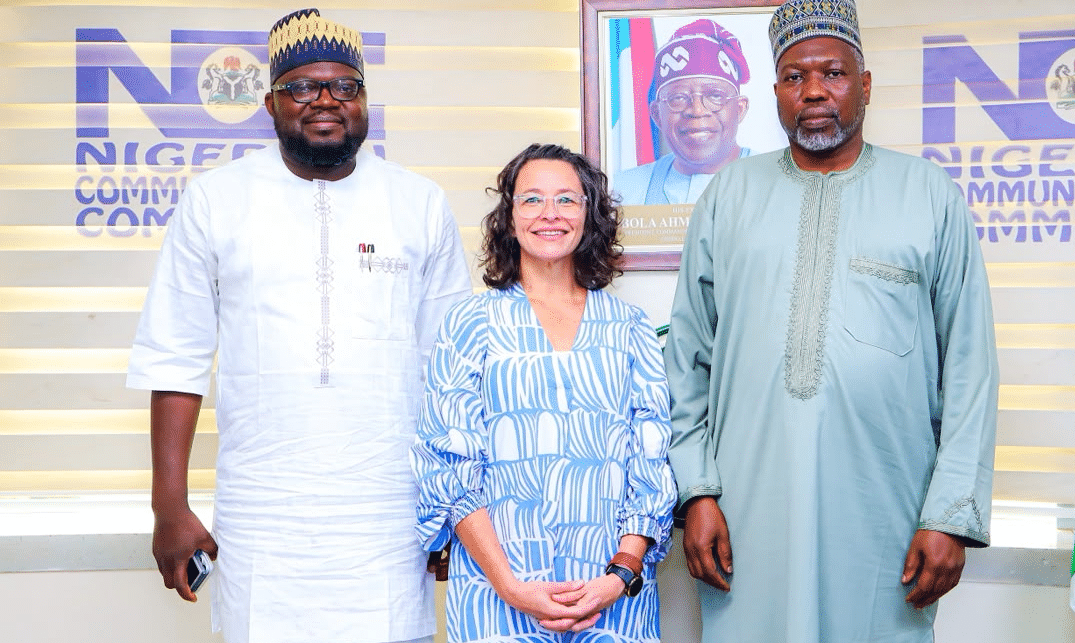
The Commission made the commitment on Wednesday when it received the Senior Digital Skills Officer of the ITU, Ms. Robyn Fysh, during a courtesy visit to its headquarters in Abuja.
Ms. Fysh’s visit was on the sidelines of her official engagement in Nigeria following DBI’s designation as a DTC, a recognition that places the Institute within a global network dedicated to advancing digital skills and transformation. DBI also serves as the ITU’s Digital Training Academy (DTA) in Nigeria.
Representing the Executive Vice Chairman/Chief Executive Officer of the NCC, Dr. Aminu Maida, the Director, Research and Development, Engr. Babagana Digima, received Ms. Fysh and the DBI delegation led by its President/Chief Executive Officer, Mr. David Daser.Engr.
Digima reaffirmed the Commission’s commitment to innovation, capacity building and digital transformation, describing DBI’s new status as a significant opportunity to strengthen collaboration among NCC, DBI and ITU in advancing digital skills development nationwide.
“DBI’s recognition as an ITU Digital Transformation Centre is a significant milestone for Nigeria’s digital skills ecosystem and an opportunity to expand access to digital literacy and capacity-building programmes across the country,” he said.
He noted that digital literacy and capacity building remain critical enablers of Nigeria’s digital economy aspirations, adding that DBI’s designation would improve access to quality digital skills training, particularly for underserved and vulnerable populations.
Describing DBI’s dual recognition as both an Academy Training Centre (ATC) and a Digital Transformation Centre as a landmark achievement, Digima said it offers Nigeria a unique opportunity to tackle digital exclusion while developing globally competitive ICT expertise.
“The NCC remains committed to initiatives that equip Nigerians with the skills needed to participate meaningfully in the digital economy.
“We will continue to work closely with relevant government agencies, state governments, development partners and other stakeholders to expand access to digital skills training and ensure that no community is left behind in Nigeria’s digital transformation journey,” he stated.
Earlier, Ms. Fysh commended the longstanding partnership between the NCC and ITU in advancing digital development and skills acquisition.
“The ITU values its strong partnership with the NCC and DBI, and we are encouraged by the progress being made to advance digital skills and inclusion in Nigeria,” she said, noting that the engagement provided an avenue to exchange ideas and explore areas of mutual interest.
She explained that the ITU Digital Transformation Centres initiative, launched in partnership with Cisco in 2019, has reached over 870,000 participants globally, with women accounting for more than half of beneficiaries, focusing on practical skills that enhance employability, entrepreneurship and participation in the digital economy.
“DBI’s new status as a Digital Transformation Centre will help strengthen efforts to empower more people with relevant digital skills and opportunities,” she added.
In his remarks, DBI President, Mr. David Daser, expressed appreciation to the NCC for its unwavering support that enabled the Institute to attain the ITU recognition, describing it as a reflection of the ITU’s confidence in DBI.
He disclosed that DBI recently made history as the first institution globally to simultaneously hold the status of an ITU Academy Training Centre and an ITU Digital Transformation Centre.
“As a prominent state actor, the NCC can help drive this agenda by leveraging its infrastructure, networks and partnerships to extend digital skills training and certification opportunities to underserved communities nationwide,” Daser said.
He noted that the initiative aligns with Nigeria’s National Digital Literacy Framework, which targets 95 per cent digital literacy by 2030, stressing that achieving the goal will require stronger collaboration and sustained investment, especially for underserved populations.
“As a Digital Transformation Centre, we are better positioned to expand our impact and support the development of a digitally skilled workforce for Nigeria and Africa,” he added.
About Author