“Pastors
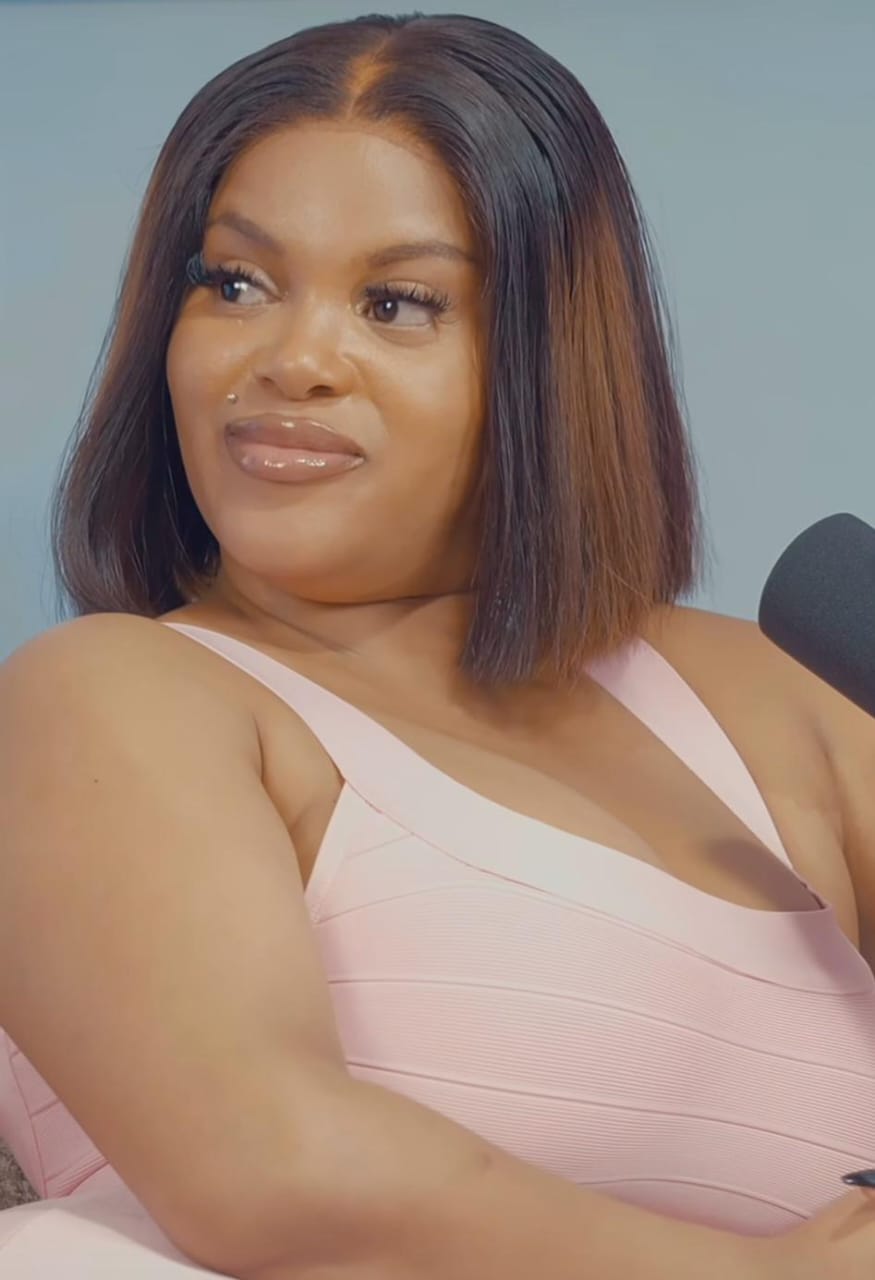
OpenLife Nigeria reports that a recent episode of Nedu Wazobia’s Clarity Zone podcast has sent shockwaves across social media, following jaw-dropping revelations by two South African exotic dancers who are currently based in Nigeria.
Speaking with striking honesty, the women shared details about their massive daily earnings, their experiences as mothers, and the unexpected profile of their clientele. What began as a casual podcast conversation quickly evolved into a national talking point, igniting intense debates around money, morality, and the hidden realities of Nigeria’s thriving nightlife scene.
The dancers, who are currently based in Nigeria, spoke without restraint about the realities of their profession and the contrasts between life in South Africa and Nigeria’s nightlife scene.
HOW A VISIT TO NIGERIA CHANGED EVERYTHING
One of the guests traced her entry into exotic dancing back to a trip she took to Nigeria. During the visit, she was exposed to stories of how much dancers were reportedly earning in the country.
At the time, she was working as a radio presenter in South Africa, a role she said did not provide the kind of financial freedom she desired. After comparing her salary to what she heard entertainers could make in Nigeria, she decided to change careers. According to her, the difference in income was too significant to ignore, and that realization pushed her toward the nightlife industry.
“₦2.5 MILLION TO ₦3 MILLION DAILY” — THE SHOCKING REVELATION
The conversation took a dramatic turn when the second dancer spoke about her daily income. She revealed that on some days, she earns between ₦2.5 million and ₦3 million adding that this amount is sometimes her “least” take-home.

That statement instantly became one of the most talked-about moments of the podcast, with listeners expressing shock, disbelief, and curiosity. Many online users questioned how such figures were possible, while others saw it as evidence of how lucrative Nigeria’s nightlife economy has become.
LIFE BEYOND THE CLUB: MOTHERHOOD AND REALITIES AT HOME
Away from the glitz and controversy surrounding their work, both women revealed that they are mothers. Each has a nine-year-old child, but their parenting choices differ significantly.
One dancer shared that her son is aware of what she does for a living. According to her, he found out after accidentally coming across a video on her phone, forcing her to explain her job to him.
The other dancer, however, admitted that her daughter does not know the nature of her work. She explained that she has chosen to shield her child from that aspect of her life for now.
CLIENTS FROM “ALL WALKS OF LIFE”
Adding another layer to the controversy, the dancers claimed that their customer base is not limited to a particular social class. They alleged that their clients include people from different backgrounds and professions, including Pastors and other highly respected individuals in society.
This claim further intensified online debates, as many users questioned the morality and hypocrisy they felt the statement exposed.
ONLINE REACTIONS AND WIDER DEBATE
Since the episode aired, social media platforms have been flooded with reactions. Some users focused on the financial aspect, discussing wealth, opportunity, and Nigeria’s booming nightlife industry.
Others centered their arguments on morality, religion, and the impact of such careers on children.
The interview has also reignited conversations about choice, survival, and the double standards often applied to women in entertainment.
A CONVERSATION THAT CONTINUES
While opinions remain sharply divided, one thing is clear: the appearance of the Nigerian-based South African strippers on Clarity Zone has opened up uncomfortable but necessary discussions about money, lifestyle, parenting, and societal values in modern Nigeria. The debate shows no sign of slowing down as more people weigh in on the realities shared during the podcast.
Ultimately, the interview highlights more than just shocking figures or controversial claims; it reflects the complexity of modern society where choices, opportunities, and values often collide. For some, the dancers’ story represents financial independence and the ability to take control of one’s life in a competitive world. For others, it raises serious questions about morality, faith, and the long-term impact of such careers on families and society at large.
What remains undeniable is that the conversation has pulled back the curtain on a part of Nigeria’s nightlife economy that is rarely discussed so openly. As reactions continue to pour in, the episode serves as a reminder that behind every viral headline are real people navigating personal struggles, ambitions, and consequences—making the debate far more nuanced than it appears on the surface.

About Author