Nollywood actor Gideon Okeke Laments Creative Imbalance
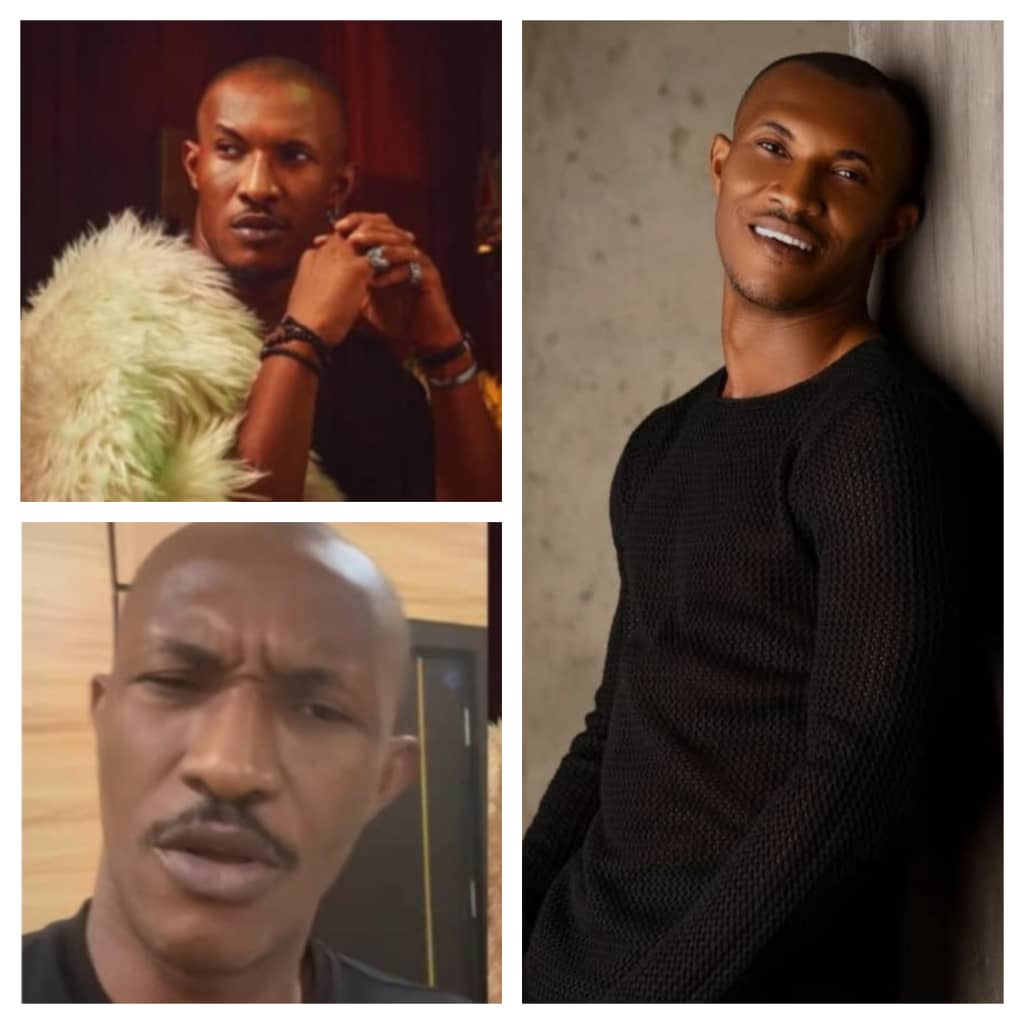
OpenLife Nigeria reports that Nollywood actor Gideon Okeke has stirred widespread discussion across social media after publicly expressing concern over what he sees as an uneven level of appreciation between Nigeria’s music and film industries.
In a video shared via his Instagram page, the actor spoke candidly about how Nigerian creatives are celebrated, arguing that musicians enjoy far greater admiration and collective support than actors, filmmakers, and producers.
Gideon observed that Nigerian musicians are consistently praised both at home and abroad, with fans, media, and fellow artists actively promoting them on international platforms.
He pointed out how industry tags such as the “big three” or “big five” are proudly adopted in the music scene and treated as milestones of cultural success.
In his view, Nollywood practitioners rarely receive similar recognition, despite the fact that Nigerian films now feature prominently on global streaming services like Netflix, Prime Video, and Showmax.
BACKGROUND TO HIS FRUSTRATION
Expanding on his argument, Gideon referenced Nollywood’s historical role in shaping African narratives. For decades, Nigerian films have influenced culture, language, fashion, and storytelling across the continent, long before Afrobeats became a global movement.
However, he lamented that instead of consistent encouragement, filmmakers and actors are often met with harsh criticism, mockery, or dismissal from local audiences.
He further suggested that the music industry thrives partly because artists openly support one another through collaborations, public endorsements, and shared visibility.
Nollywood, on the other hand, he argued, lacks that same unified front, which in turn affects the industry’s growth, funding opportunities, and international competitiveness.
MIXED REACTIONS FROM SOCIAL MEDIA USERS
Gideon’s comments did not go unchallenged, as many social media users pushed back, questioning the quality and commercial strength of Nollywood productions.
One omoruyishedrack97 wrote,
“The hype is there, just that Nollywood is not a wealthy industry”
One ddikedioramma wrote,
“Make una act Avengers or Justice League for us then we go rate una”
One ofuokwuchidi wrote,
“Una dey act nonsense”
One ddikedioramma wrote,
“Wetin una dey act? Unrealistic and predictable scenes”
One udu_ako_mmiri wrote,
“You said a lot without saying anything, bro”
One chairman_9mm wrote,
“Make I worship people wey still act “Akwaeke the Golden princess”? No nah”
One Jude_Banky wrote,
“Until una give us premium movies on Netflix like South Africa”
One lampardkay wrote,
“We hype them more than u think. Why do you think Funke and Toyin are selling out?”
One Kaffy_Nike wrote,
“You wan chop hype?”
Despite the criticism, the conversation has drawn attention to deeper issues around investment, storytelling standards, audience expectations, and how creative success is measured in Nigeria.
WHO IS GIDEON OKEKE?
Gideon Okeke is a Nigerian actor, model, and television personality who rose to prominence after emerging as a finalist on the reality TV show Big Brother Africa: All Stars in 2013. Since then, he has built a solid acting career, featuring in several Nollywood films and television series, including Tinsel, 93 Days, A Place in the Stars, and Tokunbo. Known for his outspoken nature, Gideon has often used his platform to comment on societal issues, the entertainment industry, and creative integrity.
NETFLIX AND ITS IMPACT ON NOLLYWOOD
Netflix’s entry into the Nigerian film space marked a turning point for Nollywood. The platform has provided filmmakers with wider distribution, improved production budgets, and access to global audiences.
Nationally, Netflix has helped elevate storytelling standards, encouraged better technical quality, and created new revenue streams for producers and actors.
Globally, it has positioned Nollywood as a key player in African cinema, exposing Nigerian stories to viewers across Europe, the Americas, and Asia. While challenges such as funding gaps and creative limitations remain, Netflix has undeniably expanded Nollywood’s reach and credibility on the world stage.
Undoubtedly, Gideon Okeke’s remarks, whether applauded or criticised, have reignited an important dialogue about recognition, support, and sustainability within Nigeria’s creative industries.
His comments underline the need for balance between criticism and encouragement, popularity and quality, and between the celebration of music and film.
As Nollywood continues to evolve on global platforms, the debate serves as a reminder that long-term growth will require not just international exposure, but also local belief, investment, and unity among creatives.
About Author