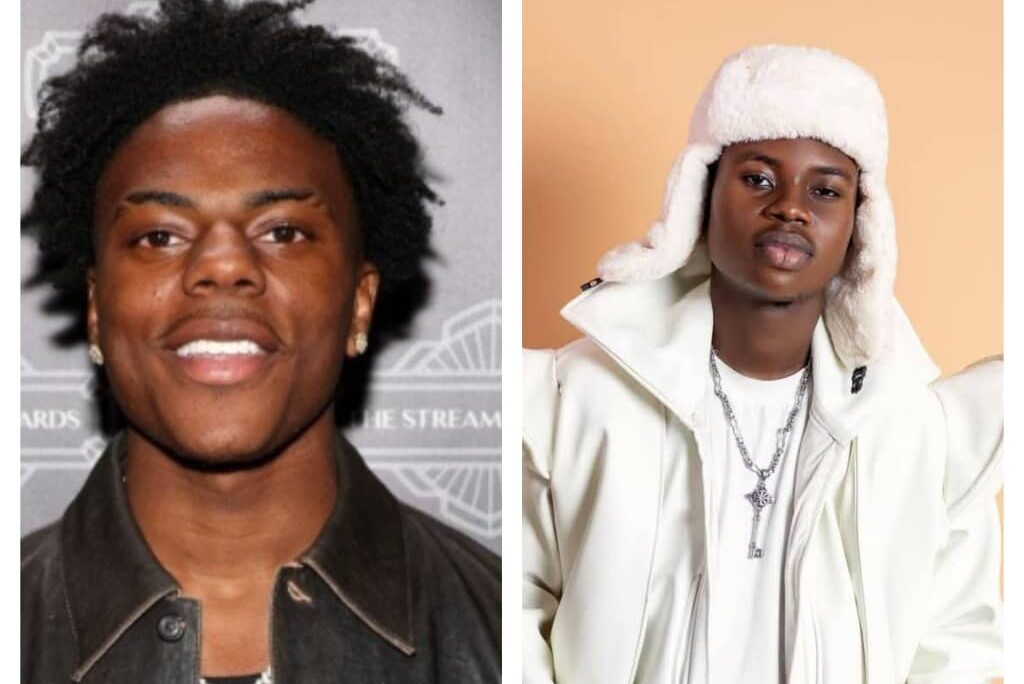
iShowSpeed Breaks Silence
OpenLife Nigeria reports that popular American streamer iShowSpeed has finally addressed the viral controversy surrounding his refusal to collaborate or meet with Nigerian content creator Peller during the Nigeria leg of his ongoing “Speed Does Africa” tour.
The high-profile snubs, which included security blocking Peller’s attempts to approach, chasing the streamer’s convoy on horseback, and multiple failed link-up efforts, sparked widespread debate and accusations of disrespect toward local talent.
ISHOWSPEED’S BACKGROUND AND TOUR PURPOSE
Darren Jason Watkins Jr., better known as iShowSpeed (or simply Speed), is a globally renowned YouTube and Twitch streamer famous for his high-energy, unpredictable style.
With tens of millions of followers, he built his fame through explosive reactions, passionate football commentary (especially his devotion to Cristiano Ronaldo), gaming sessions, and chaotic IRL (in-real-life) adventures. His content often features over-the-top energy, fan interactions, and viral moments that blend entertainment with spontaneity.
The “Speed Does Africa” tour, which kicked off in late 2025 and covers multiple countries, marks a shift toward more purposeful cultural exploration. Speed has emphasized that the trip is not a typical influencer crossover event but a dedicated effort to spotlight authentic African experiences.
This includes everyday locals, talented street performers who rarely gain global visibility, vibrant communities, and genuine cultural moments arranged by residents and his team.
The itinerary remains tightly controlled, with every stop pre-planned, time-restricted, and coordinated by his crew to specific locations and activities in each country. This structured approach leaves minimal room for impromptu collaborations or meetups.
THE PELLER CONTROVERSY AND ACCESS DENIAL
Peller (real name Habeeb Hamzat), a fast-rising Nigerian TikTok and Kick streamer born in 2005, gained massive local popularity through his sarcastic humor, viral live streams, and collaborations with artists like Olamide.
As one of Nigeria’s prominent young digital creators, he has a substantial following and was seen by many fans as a natural fit for a crossover with Speed.The drama unfolded prominently in Lagos, where massive crowds surrounded Speed’s streams.
Peller made repeated public efforts to connect, including showing up at locations, attempting to get close during live broadcasts, and even pursuing Speed’s vehicle dramatically. Security, including bodyguard Rudy, consistently redirected or blocked him, leading to viral clips that trended as “snubs” or “humbling” moments.
Adding fuel to the fire, old clips resurfaced showing Peller previously stating he had no interest in meeting Speed, would ignore him if he visited Nigeria, and even telling him to “get out” over perceived lack of response to messages.
Some speculate this prior comment influenced the cold reception, while others point to strategic decisions around brand protection or avoiding free exposure for competitors.
Notably, Speed did interact more freely with other figures like Jarvis (Jadrolita), highlighting selective access that intensified the backlash against Peller’s exclusion.
ISHOWSPEED’S RESPONSE TO COLLABORATION CRITICISM
In his clarification, iShowSpeed directly tackled the complaints, including those centered on Peller and similar creators.
He stressed that the tour’s mission diverges from typical streamer meetups or clout-building.
“This tour is not about collaborations with influencers or streamers,” Speed explained.
He reiterated the focus on;
“African culture, the people on the streets, and the talent that doesn’t usually get seen,” prioritizing street performers and underrepresented locals.
He pointed out that many complaining creators already have established platforms and visibility, while the tour aims to provide exposure to those without such reach.
Speed emphasized the non-negotiable schedule:
“Every day on this tour is scheduled the locations, the time, everything.”
He made it clear he would not cancel or alter planned cultural visits arranged by locals simply to accommodate influencer requests. The goal, he asserted, is to display “the real Africa” to a global audience, not to revolve the experience around fellow content creators.
This response has divided opinions: supporters praise it as a principled commitment to cultural representation, while critics see it as a missed chance for meaningful cross-cultural creator connections.
As the tour progresses through other countries, it continues to generate headlines by centering Africa’s diverse stories through Speed’s massive international platform.
About Author