Asset Depletion
OpenLife News reports that the biting economic hardship in the country is no longer just about statistics — it is changing how low-income residents of the Federal Capital Territory, FCT, live, eat, move and educate their children.
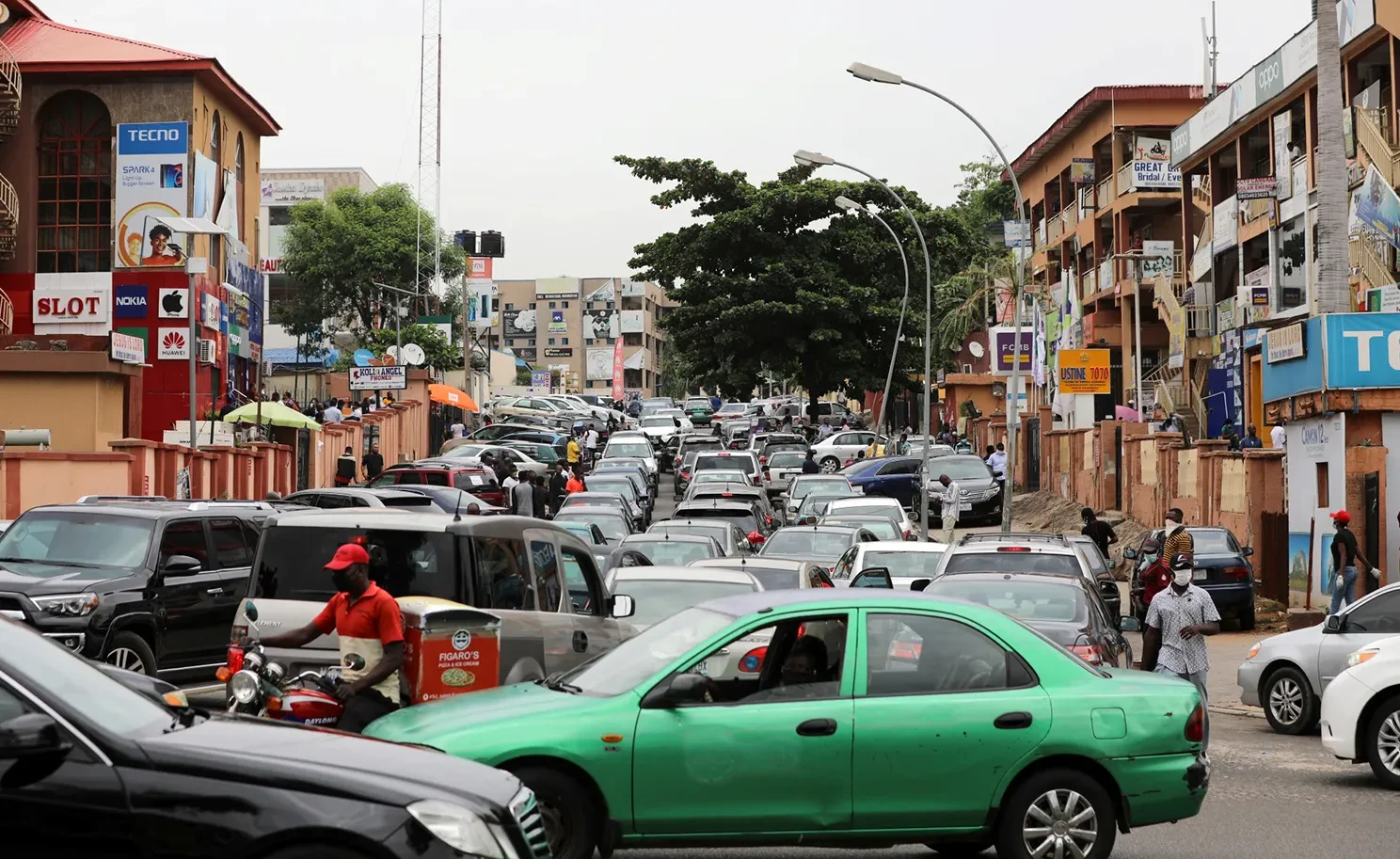
From Gwarinpa to Kubwa, from Wuse to other parts of Abuja, the story is the same: households are being forced into painful coping strategies — reducing daily meals from three to two, selling cars to pay rent, walking long distances to work, relocating to cheaper suburbs, and withdrawing children from expensive schools — as food prices, rent, transport fares, school fees and utility bills soar beyond monthly incomes.
Residents who spoke said their previous standard of living has become unsustainable.
For John Okafor, the crisis is on his dining table. “Some few years ago, we ate three square meals a day. But now, we struggle to eat twice a day,” he lamented, explaining that his family now prioritizes school fees and utility bills over feeding.
With N3,000 spent daily on transport, N36,000 monthly on commuting alone, and N100,000 set aside monthly for rent, Okafor was forced to sell his car last year to meet his rent obligation.
The experience is similar for Benson Benjamin and Haruna Musa. Benjamin now commutes only three times a week to save cost, while Musa, who once lived in Gwarinpa, Wuse and Jabi, has relocated to Kubwa because his salary could no longer sustain life in the city centre. Musa spends N50,000 weekly on fuel — about N200,000 monthly — excluding feeding.
For Ahmed Aliyu, a private firm worker, survival has meant both relocation and changing his children’s school, noting that private-sector workers without bonuses or loan access are worst hit.
Christopher John now treks part of his journey to work as his fare doubled from N500 to N1,000, pushing his weekly transport cost to N10,000.
For Grace Danjuma, who earns N5,000 daily from her small business, avoiding transport cost by walking to her shop and cutting all other expenses is the only way to avoid borrowing to pay her children’s school fees.
Beyond Abuja: A National Pattern
While the focus is on the FCT, residents say the hardship is national.
For Nasiru Suleiman, a Kaduna resident, “It is not only FCT. The excruciating high cost of living is everywhere in the country.”
The commentary by Olowolagba Odunayo, an entrepreneur, captures the growing public frustration: “This is just the beginning… The government has weaponised all sector with poverty except Politicians… 70k minimum wage, fuel 1500/liter cost of feeding unpredictable…”
The Teachers’ Plight: The Forgotten Foundation
Adding a fresh dimension to the discourse, social media commentator Auwah Mahmud spotlighted the lamentable state of teachers, especially primary school teachers.
“Teachers are in hard condition especially primary school teachers. Primary school teachers teach from basic and give concrete foundation to anyone… being him a Professor or a PhD or President… and the same person that is a teacher end up begging for survival.
Nigeria will never be OK as far as teachers are in hard situations. I am proud to be a primary school teacher.”
Mahmud’s intervention underscores a deeper structural concern — that those who lay the foundation for the nation’s human capital are among the least protected in the current economic squeeze, raising questions about long-term productivity and inequality.
Contextual Analysis: Survival Economy
What the FCT residents’ testimonies reveal is a shift from a consumption economy to a survival economy, where:
Asset Depletion: Middle and low-income earners are liquidating assets (like Okafor’s car) to meet recurring costs like rent, indicating negative savings.
Geographic Downgrading: Relocation from high-brow areas (Gwarinpa, Wuse, Jabi) to satellite towns (Kubwa) is increasing pressure on infrastructure in suburbs while altering social mobility.
Human Capital Compromise: Reduction in meals and change of schools directly impacts nutrition and learning outcomes for children.
Labour Efficiency Loss: Trekking to work and reduced workdays to save transport fare affect productivity.
For policymakers, the residents’ unified appeal is for a review of economic policies to restore purchasing power.
As long as transport gulps N36,000-N200,000 monthly and rent consumes over 30% of income against a N70,000 minimum wage, the coping strategies will remain unsustainable, pushing more families to the edge.
About Author