Bianca Ojukwu Points Out 7 Problems of Ndigbo
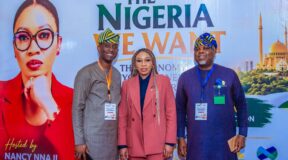
OpenLife News reports that Nigeria’s Minister of Foreign Affairs, Ambassador Bianca Ojukwu, says the future of Ndigbo is great, but warned that seven deep problems are holding the region back.
Speaking at the 15th anniversary memorial of her late husband, Dim Chukwuemeka Odumegwu-Ojukwu, at the Ojukwu Memorial Library, Owerri, Imo State, she blamed South-East governors and political elites for most of the problems, accusing them of putting rivalry and personal interest above the collective progress of Ndigbo.
“We cannot continue to celebrate Igbo greatness while tolerating the disunity that undermines it,” she declared.
The 7 problems she listed
1. Disunity among Igbo governors and political leaders
Bianca said governors have failed to demonstrate unity in addressing issues affecting the people. She said political antagonism and mutual suspicion were weakening the region’s ability to speak with one voice.
2. Rivalry and personal ambition over common good
She urged Ndigbo leaders to put aside differences and work together, insisting the region’s future could not be built on rivalry, personal ambition and political bitterness.
3. Abandonment of Ojukwu’s legacy
She expressed disappointment with political elites who benefited from Ojukwu’s political legacy and influence but abandoned him after attaining power.
“I know people my husband gave flag and campaigned for to gain political power, the first thing they want to do is to remove his portrait and replace it with their own,” she lamented.
She said Ojukwu’s legacy should not be reduced to military exploits, titles and speeches, but reflected in his convictions, humanity and commitment to justice, dignity and welfare of the people.
4. Insecurity in the South-East
Bianca lamented insecurity and said the region could not attract investment or encourage diaspora return if communities remained unsafe, businesses shut down and streets deserted.
“Our land must once again become a place where our children are excited to return,” she said.
5. Economic difficulties and failure to invest at home
She called on businessmen and women to invest in the homeland, and urged young people to channel energies into innovation, enterprise and productive ventures.
She said the region must restore confidence in its business and investment climate so investors can operate confidently and families can celebrate festivities without fear.
6. Illicit wealth and criminal activities by diaspora youths
She cautioned Igbo youths in the diaspora against pursuit of illicit wealth, warning that criminal activities had brought disgrace to the people and landed some young people in detention rather than helping them build meaningful futures. She urged them to become worthy ambassadors of Igbo culture.
7. Neglect of Igbo leaders and their legacies
Bianca criticised the neglect of prominent Igbo leaders, citing the prolonged delay in completing the Zik Mausoleum.
She regretted that it took former President Muhammadu Buhari to build a mausoleum for Nnamdi Azikiwe, 22 years after his death, accusing successive administrations in Anambra of failing to give the project attention.
She said some leaders lived as though they were immortal but eventually faded into obscurity, unlike those whose courage, sacrifices and contributions continued to inspire generations.
What she wants
Bianca said Ndigbo could not demand recognition and solidarity from other ethnic groups while failing to extend the same values to one another. Unity, she said, must go beyond speeches, cultural celebrations and symbolic gestures.
She called on traditional rulers to provide moral leadership, political leaders to rise above personal interests, and youths to embrace productive ventures.
Reflecting on the painful history of the Igbo, including the 1966 pogroms, displacement and civil war, she said Ojukwu’s memorial should inspire commitment to ensuring such tragedies never happen again.
She described her late husband as a soldier, statesman, intellectual and patriarch driven by deep conviction that people deserved to live in dignity and without fear.
She thanked individuals and groups who sustained Ojukwu’s memory, particularly the founder of the Movement for the Actualisation of the Sovereign State of Biafra, MASSOB-BIM, Chief Ralph Uwazurike, for instituting the event.
About Author