Problems Of Nigeria’s 2027
OpenLife News reports that the growing trend where elections are decided in courtrooms instead of at polling units is one of the biggest problems facing Nigeria ahead of the 2027 general elections.
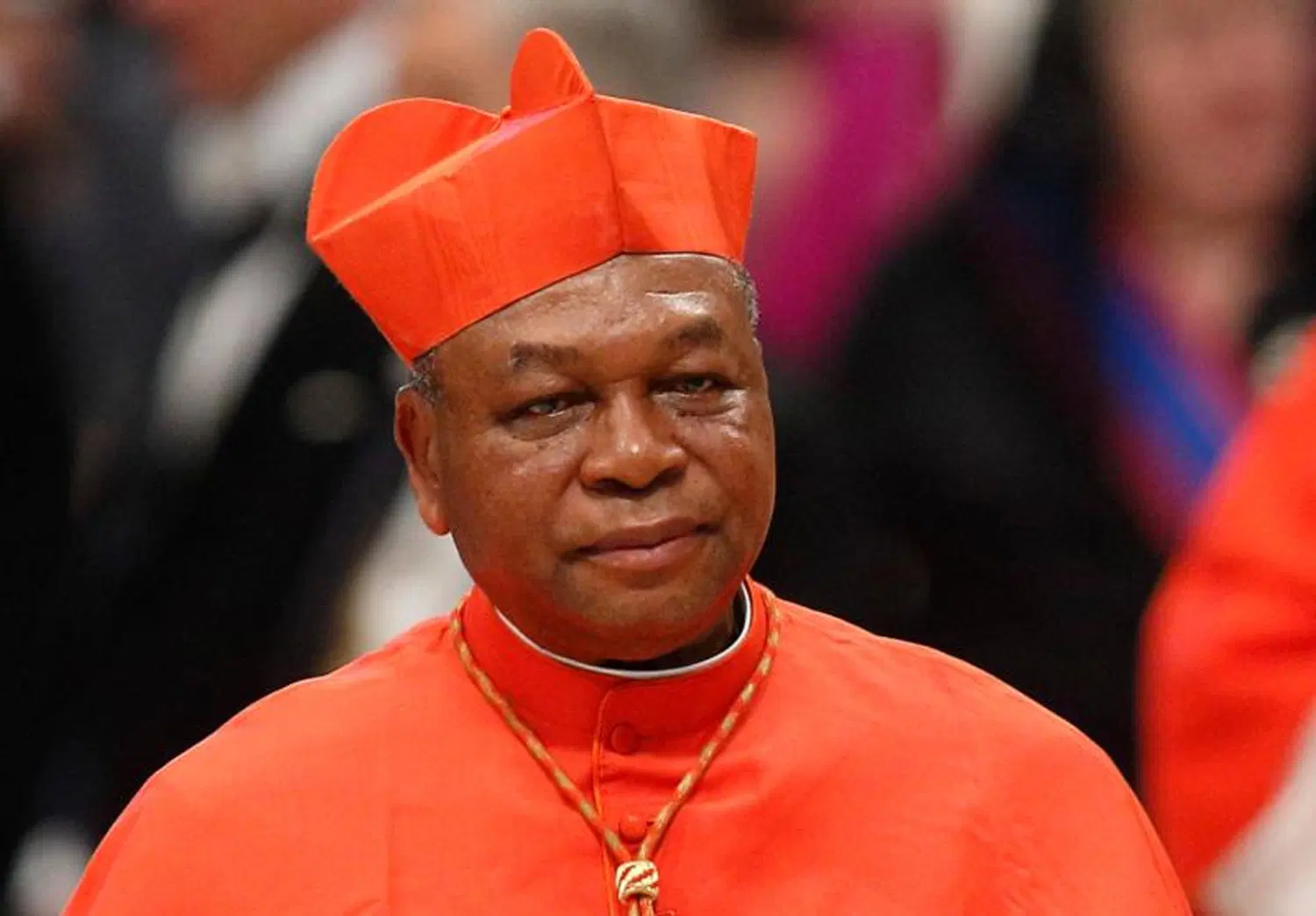
This was the central message of the Catholic Archbishop Emeritus of Abuja, John Cardinal Onaiyekan, at the 22nd All Nigeria Editors Conference, ANEC, in Enugu on Thursday, where the judiciary’s role in Nigeria’s democracy came under intense scrutiny.
Speaking on the theme, “The Ballot, the Media and the Task of Keeping Democracy Alive,” Onaiyekan said democracy is weakened when the courts become the final arena where electoral victories are determined.
The Problem: Courts deciding electionsAccording to the Cardinal, the judiciary was originally designed to adjudicate disputes arising from elections, not to determine who wins.“The judiciary is supposed to be the last stage in the electoral process. It should be stressed that the judiciary is not to determine elections about who wins, but rather to adjudicate disputes when they arise,” he said.
He lamented that if elections were properly conducted, there should be little need for prolonged litigation.“If elections were well conducted, there ought not to be any need for judicial cases. The tribunals were supposed to be there just in case.” But Nigeria’s recent experience, he noted, has been the opposite
.“Our experience in the recent past has almost become that we have been witnessing a situation where our elections are being determined not at the polls, but in the courts by the tribunals,” Onaiyekan said.
He said this development has created a field day for highly paid lawyers who manipulate technicalities, and fuelled allegations of unjust judgments that have dented the image of the judiciary.“There are allegations that are difficult to deny of unjust judgments by some judges in election tribunals,” he warned.
The concern was echoed by former President of the Nigerian Bar Association, Mazi Afam Osigwe, SAN, who noted that Nigeria has one of the highest numbers of election petitions in the world, leading to what a judge once described as the “judicialisation of the electoral process.”
President of the Nigerian Guild of Editors, Eze Anaba, summed it up: “The credibility of the ballot must be protected so that the courts do not have to replace the citizenry in determining who should represent the people.”
The Solutions: Onaiyekan’s 7-point reform
To fix the problems ahead of 2027, Cardinal Onaiyekan proposed a comprehensive reform agenda:
1. Dispose of cases before swearing-in: All election tribunal cases must be concluded before any candidate is sworn in. He described as unjust a system where a declared winner uses state resources to defend his victory in court.
2. Special Election Tribunal: Create a dedicated tribunal for electoral cases with a defined timeline to dispense with petitions quickly.
3. Voters must have locus: The current system gives only candidates the right to challenge results. Onaiyekan argued that voters whose votes are at stake should also have room to complain. “We who cast the votes and whose votes are at stake have no room to complain. This must change.”
4. Independent INEC: Review the appointment process of INEC leadership to guarantee genuine independence from the executive, which may itself be a contestant in elections.
5. 50% winning threshold: A candidate must score at least 50 per cent of votes cast to be declared winner of a presidential election to ensure true legitimacy.
6. Restore judicial integrity: Urgent steps must be taken to restore public trust in the courts and address perceptions of corruption and technical manipulation.
7. Character and value-based leadership: Nigeria must insist on leaders with minimum social values – honesty, concern for common good and absolute respect for rule of law.
The Cardinal also charged the media to protect democracy by verifying information, especially with the new threat of AI-generated misinformation, and ensuring truth is not replaced by illusion.
“The ultimate objective is to install a government that is freely chosen by the people and that works for the common good of the people,” he said.
Other speakers including Minister of Information Mohammed Idris, Obi of Onitsha Igwe Alfred Achebe, Enugu Governor Peter Mbah and political economist Prof. Patrick Utomi, also warned that if 2027 elections lack credibility, the cost would be institutional collapse and loss of public faith in democracy itself.
About Author