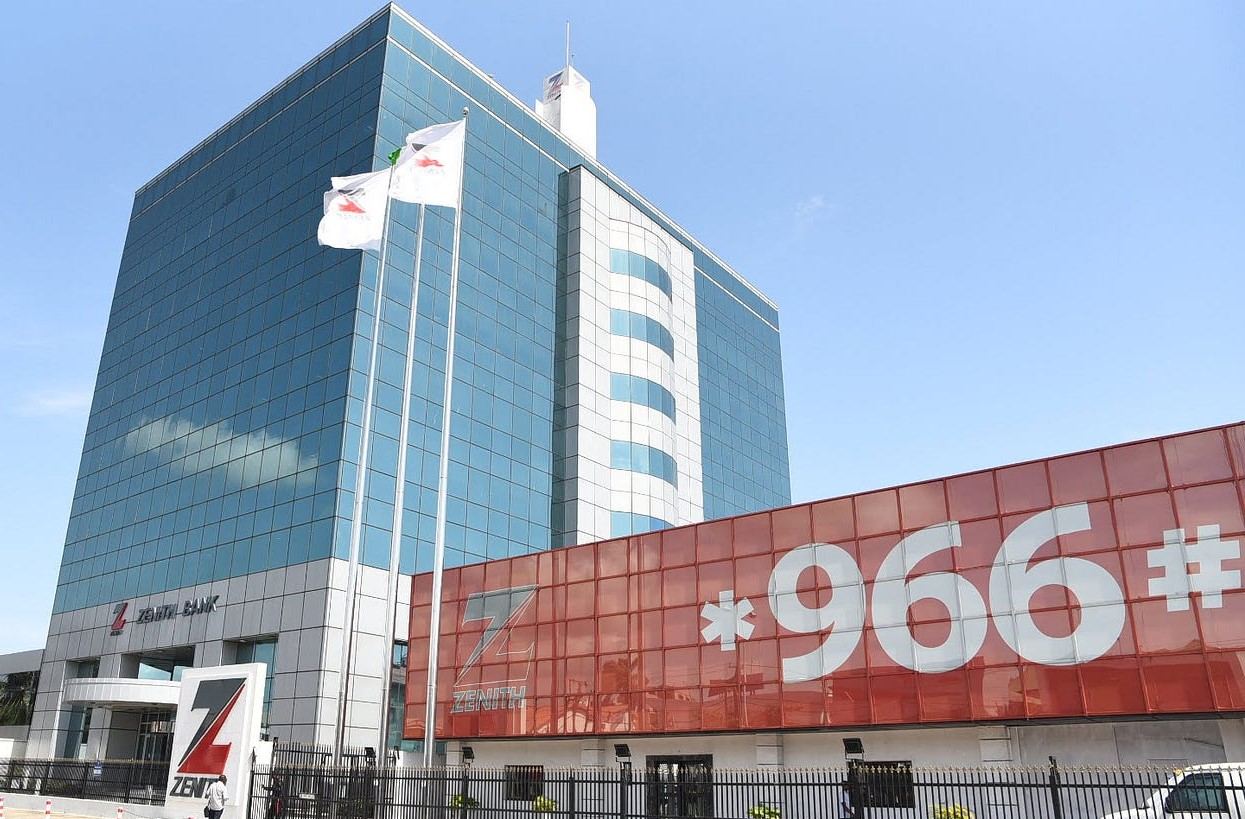
Zenith Bank Marks 10 Years
OpenLife News reports that Zenith Bank Plc on Tuesday, August 25, 2026, hosted the 10th edition of its International Trade Seminar on Non-Oil Export, marking a decade of pushing for economic diversification in Nigeria.
Held virtually under the theme “Unlocking Value and Harnessing Growth”, the seminar brought together policymakers, regulators, exporters, manufacturers, investors and development partners from 97 countries to discuss how Nigeria can earn more from what it sells to the world.
Move From Raw Materials To Brands” – Speakers
In her welcome address, Dame (Dr.) Adaora Umeoji, OON, Group Managing Director/CEO of Zenith Bank, paid tribute to the Bank’s founder, <strong>Dr. Jim Ovia, CFR</strong>, for starting the seminar in 2015.
She noted Nigeria’s progress in non-oil exports, citing data from the Nigerian Export Promotion Council.
“Nigeria’s non-oil exports reached a record $6.1 billion in 2025, up 11.5 per cent from the $5.46 billion recorded in 2024, and a remarkable leap from the $612 million recorded a decade earlier,” Umeoji said.
“As a nation, we must accelerate growth by creating more value locally and exporting finished products, rather than just raw materials.”
She added that Zenith Bank Plc, in partnership with the AfCFTA Secretariat, has commenced development of the SMARTAfCFTA portal and integrated with the Pan-African Payment and Settlement System to make cross-border trade easier.
FG: “Produce More, Process More In Nigeria
Delivering the keynote, Dr. Jumoke Oduwole, MFR, Minister of Industry, Trade and Investment, said the focus should shift from volume to value retention.
“The question before us now is not simply how to export more, but how to retain more value in Nigeria from everything we export,” she said.
“Produce more competitively in Nigeria, process more in Nigeria, connect Nigerian businesses to bigger markets.”
Oduwole, who also chairs the AfCFTA Council of Ministers, said Nigeria’s role as an AfCFTA digital trade co-champion positions it to help shape how the $3.4 trillion African market evolves.
Experts: Build Internal Demand, Finance Trade
Prof. Benedict Oramah, GCON, Chair of FEDA and former President of Afreximbank, said Africa must now build its own internal demand and capacity to finance trade.
“The question is whether Africa, and Nigeria within it, can build her own internal demand, participate effectively in global supply chains, and create her own markets.”
Mrs Patricia Poku-Diaby, Founder of Plot Enterprise Ghana, was direct:
“The future of our economy will not be determined simply by what we grow or mine, but by what we transform. We must move from suppliers of raw materials to owners of strong African brands.”
UK, AfCFTA Back Nigeria’s Export Drive
Representing the UK, Ms Mujina Kaindama said the opportunity lies in “moving further up the value chain, processing raw materials, developing branded products.”
H.E. Wamkele Mene, Secretary-General of the AfCFTA Secretariat, said the success of AfCFTA will be measured by how the private sector leverages it to access new markets and create jobs.
“The private sector is at the heart of the fundamental restructuring of Africa’s economy that all of us want to see.”
Public and Private Sector Panels
The seminar featured two panels. The public sector panel included NEXIM, Nigeria Customs, NPA, CBN, NEPC and committed to improving trade facilitation, logistics, and funding for exporters.
The private sector panel had Dangote Group, Starlink Global, Psaltry International, Lelook Nigeria and others. They discussed trade barriers, product certification, market intelligence, and financing to scale non-oil exports.
10 Years Of Impact
Launched in 2015, the Zenith Bank International Trade Seminar has become a key platform for driving dialogue on Nigeria’s non-oil export potential.
The 2026 edition was streamed live on Zoom, YouTube, Instagram, Facebook, X and TikTok, drawing thousands of participants globally. It closed with a renewed commitment to give Nigerian businesses the tools, partnerships and capital to compete in regional and global markets.
About Author